The Safari
& Dunes Trail
Four countries, ten weeks, one unforgettable overland journey. From Table Mountain's summit to Victoria Falls' thundering edge, the route through Africa's wild south.
Your journey
South Africa
Namibia
Botswana
Zambia
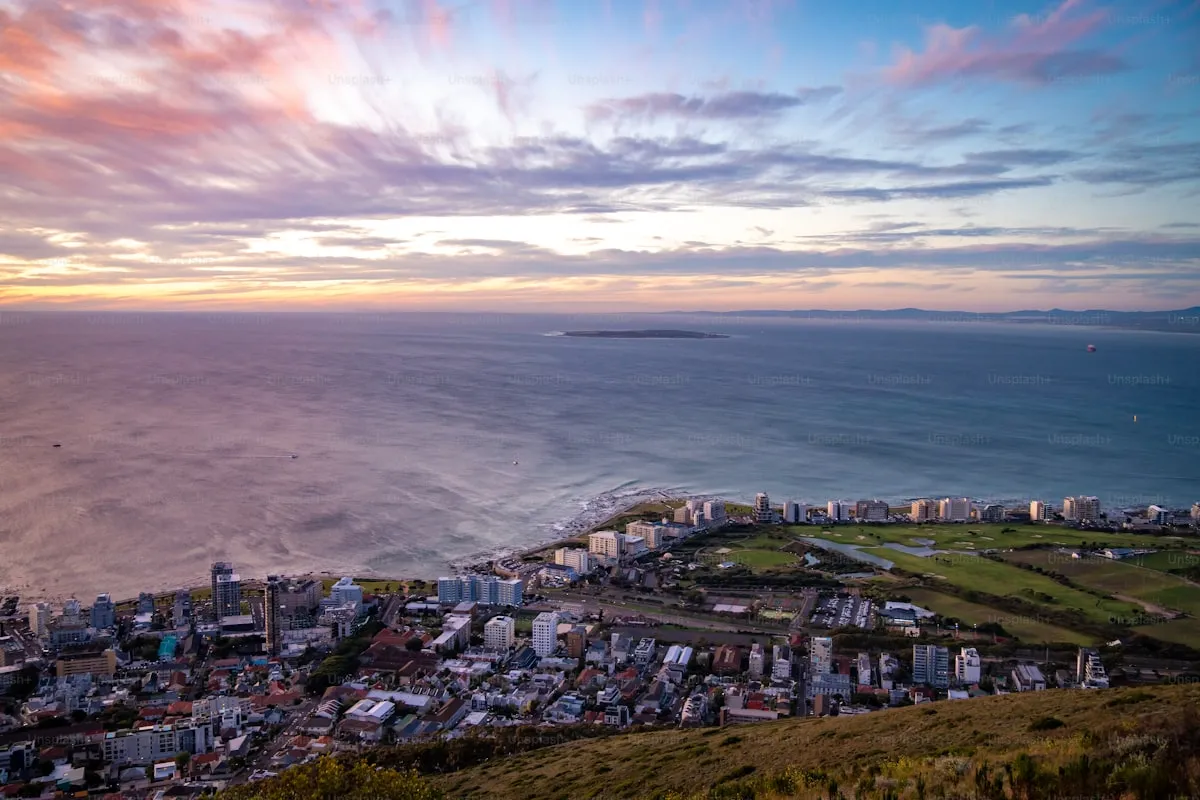
Fly into Cape Town and you'll immediately understand why backpackers never want to leave. Start with Table Mountain. Take the cableway up (R400 return) or hike the Platteklip Gorge route (free, 2–3 hours, steep but manageable). The views from the top are otherworldly. Spend a day exploring the Cape Peninsula: Chapman's Peak Drive, Boulders Beach for the African penguins (R176 entry), and Cape Point Nature Reserve (R376). The V&A Waterfront is touristy but has free live music and people-watching. Bo-Kaap's colourful houses are a must-see, so walk through in the morning light. Long Street is the backpacker hub with hostels from R200–350/night, but the real action is in Woodstock and Observatory for craft beer and local food. The MyCiti bus system (R20–40 per trip) is efficient and safe for getting around. Spend an afternoon at Kirstenbosch Botanical Gardens (R220), where the tree canopy walkway at sunset is magical. Day trip to Stellenbosch wine country for tastings from R50–100 per estate, or join a hostel wine tour (R500–700 for a full day with transport).
Garden Route
Garden RouteThe Garden Route is one of the world's great road trips, stretching 300km along the coast from Mossel Bay to Storms River. Rent a car from Cape Town (R300–500/day split between 2–3 people, or join a Baz Bus hop-on hop-off backpacker shuttle, R2,500 for a flex pass). First stop: Wilderness for paragliding over the lagoon (R1,400) and the Garden Route Trail boardwalks. Knysna is the foodie hub, so grab fresh oysters at the Knysna Waterfront (R80–120 per dozen) and kayak through the lagoon. Plettenberg Bay has incredible whale watching from shore (June–November) and the Robberg Nature Reserve hike (R60, 4-hour loop along dramatic cliffs). End at Tsitsikamma National Park for the suspension bridge over Storms River Mouth (R248 conservation fee) and the world's highest commercial bungee jump at Bloukrans Bridge (R1,590, 216 metres, terrifying and unforgettable). Backpacker hostels dot the entire route at R200–400/night.
Fly from George or Port Elizabeth to Durban (R600–1,200 on FlySafair, book 2–3 weeks ahead). Durban has the best Indian food outside of India, so head to the Victoria Street Market for bunny chow (a hollowed-out bread loaf filled with curry, R40–60) and walk along the Golden Mile beachfront promenade. The surf is warmer than Cape Town and boards rent for R100–150/hour. Spend 2–3 days in Durban, then head inland to the Drakensberg Mountains. The uKhahlamba-Drakensberg Park is a UNESCO World Heritage site with jaw-dropping hiking. The Tugela Falls hike in Royal Natal National Park leads to the second-highest waterfall in the world (8–10 hours return, R60 entry). Cathedral Peak and Giant's Castle have easier day trails and San rock art sites dating back thousands of years. Stay at backpacker lodges on the escarpment from R250–400/night, or camp for R150. The night skies here, far from city lights, are unforgettable.
Johannesburg
Johannesburg is the transit hub for heading north into Namibia and beyond, but it deserves more than just an airport layover. The Apartheid Museum (R130) is essential. Allow 3–4 hours and it will reshape your understanding of South Africa. Take a guided walking tour of Maboneng Precinct (R100–200), Joburg's regenerated creative district with street art, rooftop bars, and the Arts on Main complex. Neighbourtown has fantastic food markets on weekends. Don't miss Constitution Hill (R100), the former prison complex that now houses South Africa's Constitutional Court, where Nelson Mandela and Mahatma Gandhi were both imprisoned. Braamfontein on a Saturday buzzes with the Neighbourgoods Market (free entry, food stalls R40–80). Backpacker hostels in Melville and Maboneng run R200–350/night. For your onward journey, Intercape buses depart from Park Station to Windhoek (18–20 hours, R550–850, departing around 3pm).
Windhoek
Windhoek Guide →Arrive from Johannesburg by Intercape bus (18–20 hours) or fly into Hosea Kutako International Airport (R800–1,500 from Joburg on FlySafair). Windhoek is a small, walkable capital, more of a large town than a city. Pick up your rental car here (essential for Namibia, budget R400–700/day for a 2WD or R700–1,200 for a 4x4, split between travellers). Explore Independence Avenue, the Christuskirche (German colonial-era church), and the craft market at the old brewery for souvenirs. Joe's Beerhouse is a Windhoek institution with massive portions of game meat (oryx, kudu, springbok) from N$120–200. Stock up on supplies at Checkers or Pick n Pay before heading into the desert, as there's limited shopping outside Windhoek. Backpacker lodges run N$250–400/night.
Sossusvlei & Sesriem
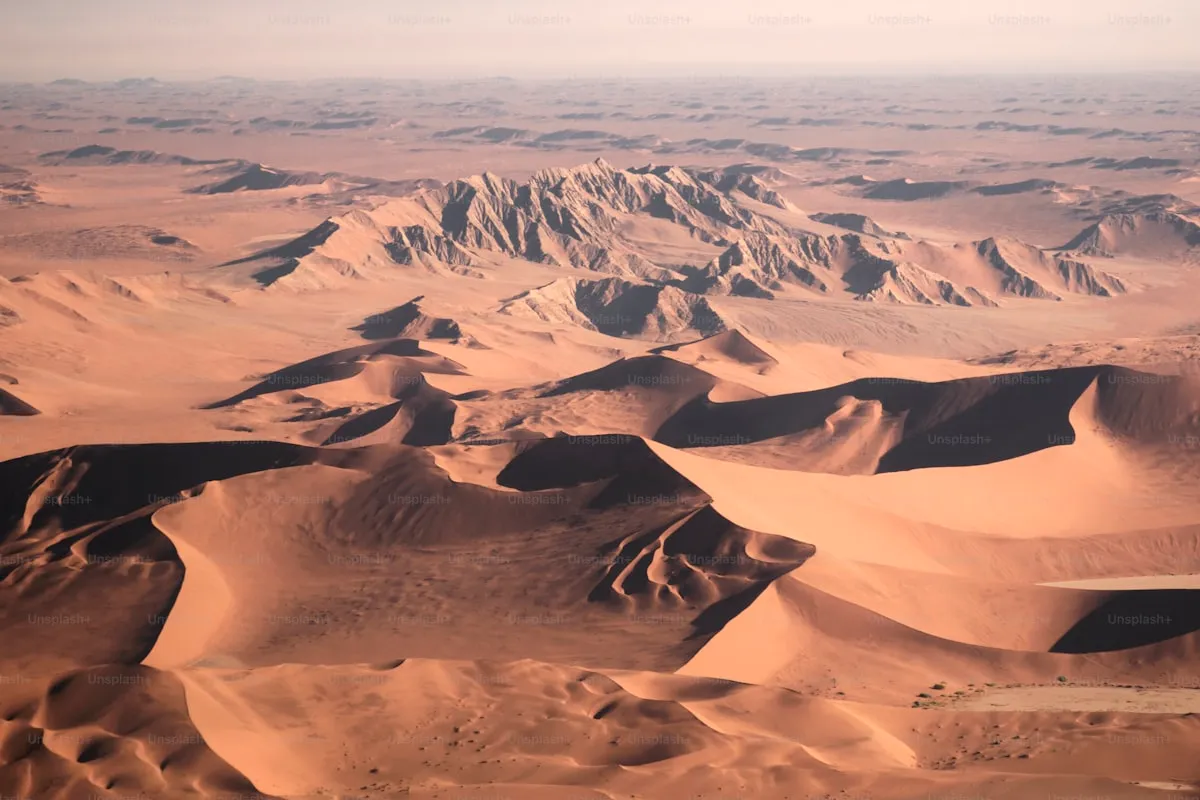
SossusvleiDrive south from Windhoek to Sesriem (4–5 hours, 350km on good tar roads). The Sossusvlei area is the reason most people come to Namibia: the world's tallest sand dunes rising from white clay pans in every shade of orange and red. Enter the park gate at dawn (N$80 per person + N$10 per vehicle) and drive the 65km to the Sossusvlei parking area. Climb Dune 45 for sunrise. It's 170 metres high and takes 30–45 minutes, but the view of shadows creeping across the dune sea is one of Africa's most iconic sights. Dead Vlei is a surreal white clay pan dotted with 900-year-old blackened camelthorn trees against a backdrop of massive red dunes, and it looks like a painting. The Sesriem Canyon (2km long, 30 metres deep) is a short walk from the campsite and beautiful at sunset. Camp at NWR Sesriem (N$350 per site for 2 people) or stay at budget-friendly Sossus Oasis Campsite (N$200 per person).
Drive west from Sesriem to Swakopmund (5–6 hours via the Gaub and Kuiseb passes, with stunning canyon scenery). Swakopmund is the adventure capital of Namibia, a surreal German colonial town where the Namib Desert meets the Atlantic Ocean. Go sandboarding down the massive dunes on the outskirts (N$700 for a half day, stand-up or lie-down), skydive over the desert-meets-ocean landscape (N$3,000 for tandem), or try quad biking in the dunes (N$800). The town itself has German bakeries (apfelstrudel and good coffee), a waterfront promenade, and craft markets. Kayak with seals and dolphins at Pelican Point in Walvis Bay (N$750 for a half day). Day trip north along the Skeleton Coast, whose name comes from the whale bones and shipwrecks scattered along this foggy, wild stretch of coastline. Cape Cross Seal Colony (N$80 entry) has over 200,000 fur seals, and the noise and smell are overwhelming but the sight is incredible. Backpacker hostels in Swakopmund from N$200–350/night.
Etosha National Park
Etosha National ParkDrive north from Swakopmund to Etosha (5–6 hours via Usakos and Outjo). Etosha is Southern Africa's most accessible self-drive safari park. You don't need a guide or 4x4, just patience and binoculars. The park centres around a massive salt pan visible from space, and the waterholes along its edge draw incredible concentrations of wildlife. Enter at Anderson's Gate and drive slowly between waterholes. Okaukuejo's floodlit waterhole is legendary for black rhino sightings at night (sit at the camp wall after dinner and wait). Halali camp has another excellent lit waterhole. You'll see elephants, lions, giraffes, zebras, springbok, oryx, and with luck, leopards and cheetahs. Park entry is N$80 per person per day plus N$10 per vehicle. Camp inside the park at Okaukuejo, Halali, or Namutoni (N$350–500 per campsite for 2 people, book through NWR well in advance). The camp shops sell basic food and firewood but bring most supplies from Outjo.
Drive from Etosha through the Caprivi Strip to Maun (long drive, 10–12 hours, or break it up with an overnight at Rundu or Divundu). Maun is the gateway to the Okavango Delta, the world's largest inland delta, a UNESCO World Heritage site where the Okavango River fans out across the Kalahari in a maze of channels, lagoons, and islands. The budget way to experience it is a mokoro trip from the eastern delta villages (Boro or Eastern Delta polers). A 2-night/3-day mokoro trip with a local poler costs P800–1,500 per person including camping on islands, meals, and a guided bush walk. Gliding silently through the papyrus-lined channels in a traditional dugout canoe while hippos grunt in the distance is one of Africa's truly unforgettable experiences. You'll camp on islands under the stars with elephants sometimes wandering through camp at night. Book through Old Bridge Backpackers in Maun (the backpacker hub, P120–200/night for dorms) or Audi Camp. Day trips into the delta by mokoro are also available from P400–600 if time is tight.
Chobe National Park
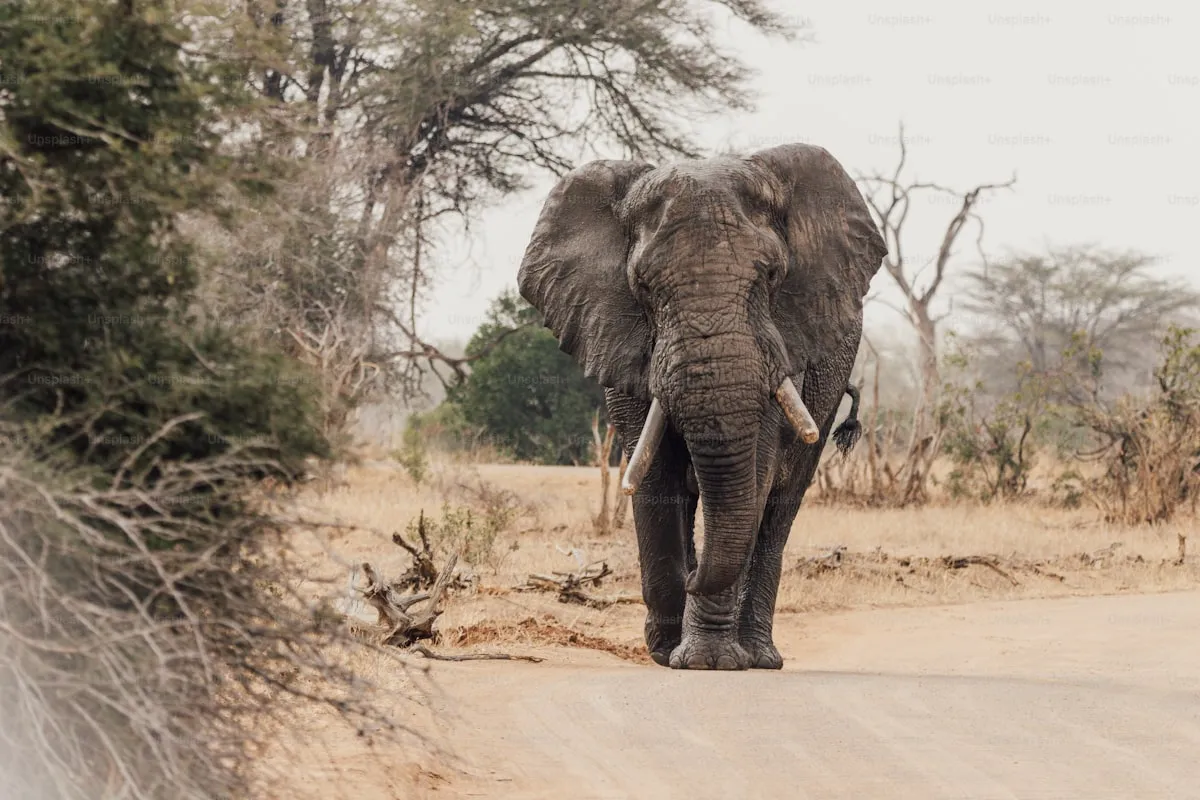
Chobe National ParkDrive from Maun to Kasane (6–7 hours on good tar via Nata). Chobe National Park has the highest concentration of elephants in Africa, an estimated 120,000. The Chobe Riverfront is where the action is: massive herds of elephants come down to drink and bathe in the late afternoon, while hippos, crocodiles, and buffalo share the water. A boat cruise on the Chobe River at sunset (P200–350 for 3 hours) is the best way to see the wildlife, and you'll get incredibly close to elephants swimming across the river and pods of hippos. Self-drive game drives in the Chobe Riverfront area are possible with a 4x4 (the sand tracks are deep). Park entry is P120 per person per day plus P50 per vehicle. The Savuti area deeper in the park is legendary for lion-elephant interactions but requires serious 4x4 experience. Stay at budget lodges in Kasane (P300–500/night) or camp at Ihaha Campsite inside the park (P350 per site, no fences, so elephants walk through camp regularly).
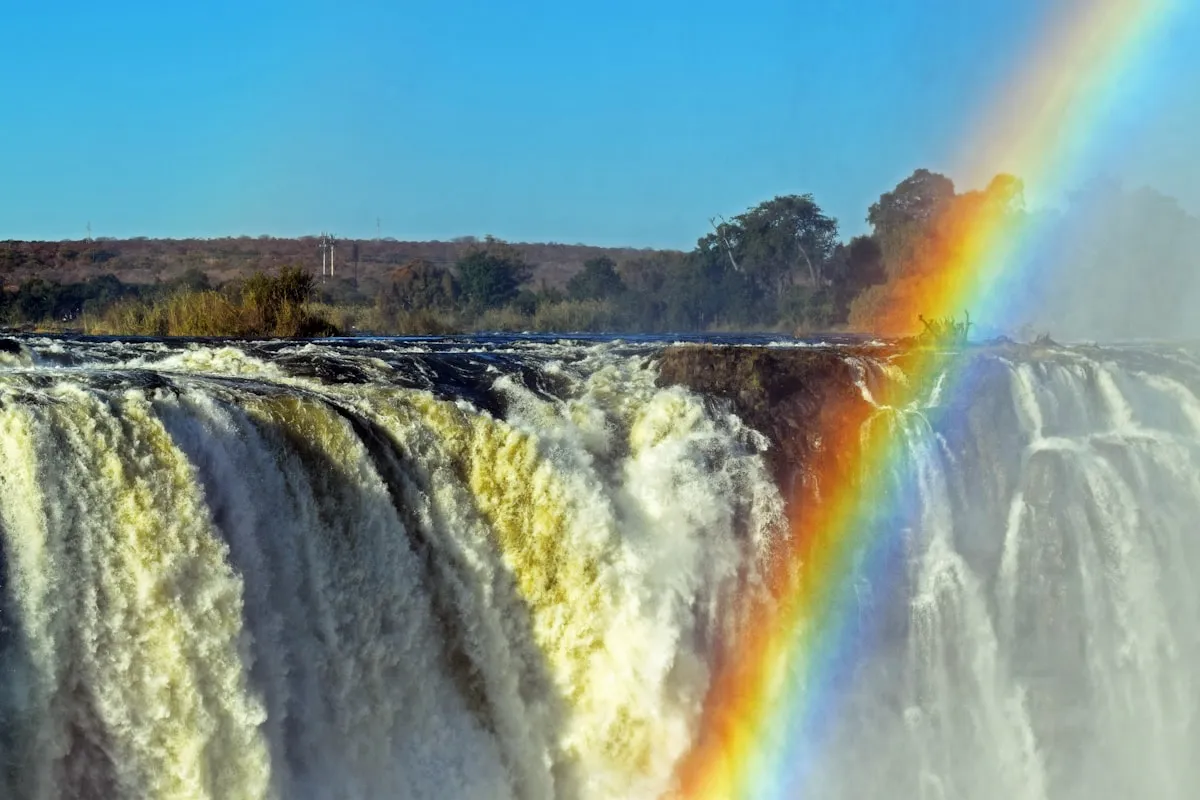
Cross from Kasane (Botswana) to Livingstone at the Kazungula border. It's only 80km and takes 1–2 hours including immigration. Livingstone is a relaxed town that serves as base camp for Victoria Falls, just 10km south. The falls themselves are 1.7km wide and 108 metres high, with spray visible from 30km away and a deafening roar. Enter Mosi-oa-Tunya National Park from the Zambian side ($20 entry) and walk the network of viewpoints along the gorge edge. You will get absolutely drenched from the spray during high water (April–July), so bring a waterproof bag for your camera or phone. The Knife-Edge Bridge is the most dramatic viewpoint. For the adrenaline seekers, Livingstone offers some of the best adventure activities on the continent: bungee jumping off Victoria Falls Bridge (112 metres, $160), white water rafting on the Zambezi (Grade 5 rapids, $150 for a full day, one of the world's best rafting experiences), zip-lining across the gorge ($60), and the Devil's Pool swim right at the edge of the falls (September–December only when water is lower, $100). The Royal Livingstone Hotel allows non-guests to have sundowners on the terrace overlooking the falls ($15–20 for a cocktail, an absolute bargain for the setting). Stay at Jolly Boys Backpackers or Fawlty Towers in Livingstone ($12–20/night for dorms), both with pools and excellent travel desks for booking activities.
Budget breakdown
Daily costs per person in USD. Total 10-week budget: approximately $2,800–5,000 depending on your style. Namibia and Botswana are pricier, as car rental and safari costs add up, but South Africa and Zambia bring the average down.
| 🇿🇦 South Africa | 🇳🇦 Namibia | 🇧🇼 Botswana | 🇿🇲 Zambia | |
|---|---|---|---|---|
| Accommodation Hostels, campsites, guesthouses | $12–25 | $12–25 | $15–35 | $12–20 |
| Food Street food + local restaurants | $8–15 | $6–12 | $8–15 | $6–12 |
| Transport Car rental split, buses, fuel | $5–12 | $8–15 | $8–15 | $3–8 |
| Activities Parks, safaris, adventures | $5–15 | $5–20 | $10–25 | $10–30 |
| Drinks/Social Beer, coffee, socialising | $3–6 | $3–5 | $3–6 | $3–5 |
| Daily Total Budget–comfortable range | $35–60 | $30–55 | $40–80 | $30–55 |
Practical info
Visas
- South Africa: 90 days visa-free for most Western passports. Must show proof of onward travel
- Namibia: 90 days visa-free for most nationalities. Free entry stamp at the border
- Botswana: 90 days visa-free. One of the easiest border crossings in Africa
- Zambia: $50 single-entry visa on arrival, or $80 KAZA UniVisa for both Zambia and Zimbabwe
Health
- Yellow fever certificate required if arriving from an endemic country. Recommended: Hep A/B, Typhoid, Tetanus
- Malaria risk in northern Namibia (Etosha), Okavango Delta, Chobe, and Zambia, so take prophylaxis and use DEET
- South Africa's coastal cities and Cape Town are malaria-free. Tap water is safe in SA and Namibia, boil elsewhere
Transport
- Self-driving is the best way to see Namibia and Botswana. Rent from Windhoek, with 4x4 recommended for Chobe/Okavango
- South Africa: Intercape and Greyhound buses, plus Baz Bus for the backpacker route. FlySafair for cheap domestic flights
- Border crossings: Joburg to Windhoek (Intercape bus, 18hrs), Kasane to Livingstone (80km, easy taxi or shuttle)
Connectivity
- South Africa: Vodacom or MTN SIM (R50–100 for 5–10GB). Excellent 4G coverage in cities
- Namibia: MTC SIM (N$50–100). Coverage in towns but spotty in the desert and on remote roads
- Botswana/Zambia: Mascom or Airtel SIMs ($5–10). WiFi at lodges and camps is generally slow
Best Time
- April–October (dry/winter): Best for wildlife viewing as animals gather at waterholes. Cooler temps, clear skies
- June–August: Peak safari season. Cold mornings in the desert (near freezing). Victoria Falls at maximum flow
- November–March (wet/summer): Green landscapes, baby animals, but roads can flood and malaria risk increases
Safety
- South Africa requires the most caution: don't walk alone at night in cities, use Uber not taxis, keep valuables hidden
- Namibia and Botswana are among Africa's safest countries, with very low crime rates outside Windhoek
- Wildlife safety: never leave your vehicle in national parks (except designated areas), keep distance from elephants and hippos
Ready for Southern Africa?
Find travel companions for overland drives across Namibia, split safari costs in Botswana, and share the adrenaline at Victoria Falls with fellow backpackers on roammate.


To customise this route to your travel style, pace, and budget, download the roammate app to tailor it to your preferences.