Sapa
Mist-wrapped rice terraces cascade down mountainsides where Hmong and Dao villages cling to the slopes of Indochina's highest peaks.
1 day in Sapa
Only got 24 hours? Here's how to experience the best of Sapa in a single action-packed day.
The Best of Sapa in 24 Hours
Cat Cat Village Trek
Start early with the most accessible trek from Sapa town, the walk down to Cat Cat Village (entry 70,000 VND), a Hmong settlement in the valley below. The 3km trail descends through terraced rice paddies that cascade down the mountainside in shades of green and gold depending on the season. In Cat Cat, watch Hmong women weaving indigo-dyed fabric on traditional looms, visit the old French hydroelectric station by the waterfall, and observe daily village life. The hike takes 1.5–2 hours down and back. Grab breakfast in town before you leave. A bowl of pho at a street stall costs 30,000–40,000 VND and the morning mountain air makes everything taste better.
Fansipan Cable Car
Take the Fansipan Legend cable car (800,000 VND return) from the station near Sapa town centre to the summit complex of Fansipan, at 3,143m the highest peak in Indochina. The 6.3km cable car ride takes 15 minutes and offers dizzying views over the Hoang Lien Son mountain range, deep valleys, and terraced hillsides shrouded in mist. At the top, climb the 600 stone steps to the actual summit where a bronze monument and Buddhist temple complex await. On clear days, the panorama stretches across the entire northwest Vietnamese highlands. The temperature at the summit is 8–15°C cooler than Sapa town, so bring a jacket.
Sapa Night Market & Hotpot
Walk through Sapa's small but atmospheric night market near the church square. Hmong and Dao women sell handmade textiles, embroidered bags, silver jewellery, and beeswax candles. The quality of the hand-stitched work is remarkable. A large embroidered wall hanging costs 200,000–500,000 VND and represents weeks of work. Buy directly from the women for fair prices. For dinner, join the local tradition of lau (Vietnamese hotpot) at one of the restaurants on Cau May Street. A bubbling pot of herbal broth with sliced buffalo, mushrooms, greens, and noodles costs 200,000–350,000 VND for two: warming, social, and perfect for cool mountain evenings.
3 days in Sapa
A carefully curated route mixing iconic landmarks, hidden gems, street food, culture, and adventure.
Sapa Town, Cat Cat & Fansipan
Cat Cat Village Trek
Begin with the classic Cat Cat Village trek, a 3km trail descending from Sapa town through layered rice terraces to a traditional Black Hmong village in the valley (entry 70,000 VND). The terraces are carved into steep mountainsides and change colour with the seasons: vivid green during planting (May–June), golden during harvest (September–October). In Cat Cat, observe Hmong women weaving indigo fabric on wooden looms, children playing in the streams, and water buffalo ploughing the paddies. A small waterfall and the ruins of a French colonial hydroelectric plant mark the valley floor. The return hike uphill takes about an hour.
Fansipan Summit by Cable Car
Ride the Fansipan Legend cable car (800,000 VND return) from the lower station to the summit complex of Mount Fansipan, 3,143m, the roof of Indochina. The 6.3km cable car glides over deep valleys, through clouds, and above the Hoang Lien Son mountain range. At the top station, climb the 600 stone steps past Buddhist shrines, bell towers, and the Amitabha Buddha statue to the summit marker. The views on a clear day are limitless, with mountain ranges rolling to the horizon in every direction. The summit temple complex is ornate and atmospheric, with incense smoke mixing with mountain mist. Temperature at the top is 8–15°C cooler, so bring layers.
Night Market & Mountain Dinner
Explore Sapa's night market near the stone church in the town centre. Hmong and Red Dao women sell handmade textiles: intricately embroidered bags (100,000–300,000 VND), hemp fabric, indigo-dyed scarves, and silver jewellery. The craftsmanship is extraordinary and buying directly supports the artisans. Walk through the food stalls selling grilled corn (10,000 VND), roasted sweet potatoes (15,000 VND), and barbecued skewers. Dinner at a restaurant on Cau May Street: try com lam (bamboo-tube rice, 40,000 VND) and ca suoi (mountain stream fish grilled in banana leaf, 120,000 VND). Finish with ruou tao meo (apple wine from wild mountain apples, 20,000 VND per glass).
Muong Hoa Valley & Hmong Villages
Muong Hoa Valley Trek
Book a full-day trek through the Muong Hoa Valley with a local Hmong guide (400,000–600,000 VND per person including lunch). The trail descends from Sapa town through the most spectacular rice terrace scenery in northern Vietnam, vast sculpted hillsides of stepped paddies carved over centuries by Hmong and Dao farmers. Cross bamboo bridges over the Muong Hoa stream where ancient rock carvings (petroglyphs) are etched into boulders along the riverbed, their origin still a mystery. The morning section covers 6–8km of moderate terrain through Lao Chai village, where Black Hmong families live in wooden houses surrounded by vegetable gardens and free-roaming chickens.
Ta Van Village & Homestay Lunch
Continue to Ta Van village, a Giay ethnic minority settlement at the valley floor surrounded by rice terraces and bamboo groves. Your guide leads you to a homestay where the family prepares a traditional lunch of rice, stir-fried vegetables, spring rolls, mountain chicken, and local herbs from the garden. The meal costs 150,000–200,000 VND and is served on the floor around a communal tray. After lunch, explore Ta Van's narrow paths past wooden stilt houses, terraced gardens, and the hanging bridge over the Muong Hoa River. Children may follow you offering handmade bracelets (10,000 VND), and buying one makes their day. The return trek uphill to Sapa takes 2–3 hours.
Herbal Bath & Local Food
After a full day of trekking, treat yourself to a Red Dao herbal bath, a traditional healing ritual where you soak in a wooden tub filled with water infused with dozens of local mountain herbs (150,000–250,000 VND at guesthouses or dedicated bath houses in Sapa). The herbs are said to relieve muscle pain, improve circulation, and promote deep sleep. The warm, fragrant soak after a day of mountain trekking is genuinely restorative. Dinner at Hill Station Signature restaurant, serving elevated Vietnamese cuisine with valley views. Try the Sapa mountain trout (180,000 VND) and local greens stir-fried with garlic (60,000 VND). The wine list includes local rice wine and Vietnamese craft beers.
Bac Ha Market & Mountain Culture
Bac Ha Sunday Market
If visiting on Sunday, hire a driver (600,000–800,000 VND return) or join a group tour (350,000 VND per person) for the 3-hour drive to Bac Ha Sunday Market, the largest and most colourful ethnic minority market in northern Vietnam. Flower Hmong women in brilliantly embroidered outfits of pink, green, and orange sell livestock, vegetables, handwoven textiles, and local produce. The market is divided into sections: the buffalo and horse trading area is extraordinary, the food section sells pho and thang co (Hmong stew), and the textile area has some of the finest handmade fabrics in Southeast Asia. Arrive by 8am for the best atmosphere before tourist buses arrive at 10am.
Ta Phin Village & Red Dao Culture
On the return from Bac Ha, stop at Ta Phin village (or visit it as a standalone afternoon trip, 12km from Sapa by motorbike, 60,000 VND). Ta Phin is a Red Dao community where women wear distinctive red headscarves and elaborate silver jewellery. Walk through the village past stone houses and kitchen gardens, and visit a family-run textile workshop where women demonstrate traditional embroidery techniques passed down through generations. You can buy their handwork directly: embroidered scarves (100,000–200,000 VND) and hemp bags (150,000–300,000 VND). A cave system on the village outskirts is worth a 30-minute exploration. Local guides from the village charge 100,000–150,000 VND.
Farewell Dinner & Mountain Views
For your final evening, find a restaurant with a terrace overlooking the Muong Hoa Valley. Several along Fansipan Street and Cau May Street have panoramic views. Order a farewell spread of Sapa specialities: thit trau gac bep (smoked buffalo, 120,000 VND), rau cai meo (mustard greens, 50,000 VND), and cap nach pig (black mountain pig roasted whole, 180,000 VND per portion). Wash it down with ruou ngô (corn wine, 15,000 VND per glass), the local moonshine distilled in villages throughout the valley. The mountain sunset paints the terraces in gold and amber. On clear evenings, the stars above Sapa are extraordinary, as minimal light pollution reveals the Milky Way.
Budget tips
Homestay treks
Book a 2-day/1-night homestay trek through a local guide (800,000–1,200,000 VND per person). It includes guide, meals, and overnight stay with a Hmong or Dao family. Far more authentic than hotel-based tours.
Street food fills
Pho and bun bo from street stalls cost 25,000–40,000 VND. Grilled corn (10,000 VND), banh mi (20,000 VND), and roasted sweet potatoes (15,000 VND) from market vendors make cheap, warming mountain snacks.
Skip Fansipan crowds
The Fansipan cable car is expensive (800,000 VND). For a budget alternative, trek to the summit over 2 days with a guide (1,500,000–2,000,000 VND), a far more rewarding and adventurous experience.
Motorbike rental
Rent a motorbike (120,000–150,000 VND/day) to reach villages independently. Ta Phin, Sin Chai, and Thanh Kim are all within 15km. Only recommended for experienced riders as mountain roads are steep and winding.
Buy direct from artisans
Buy textiles and crafts directly from Hmong and Dao women at villages and the night market. Prices are lower than Hanoi tourist shops and 100% of the money goes to the artisan families.
Off-season discounts
Visit in March–April or November for lower hotel prices (30–50% cheaper than peak season), thinner crowds, and pleasant weather. December–February is cold and misty with limited views.
Budget breakdown
Daily costs per person in Vietnamese Dong (VND). Sapa is one of the cheapest trekking destinations in the world: incredible mountain scenery and culture for very little money.
| 🎒 Budget | ✨ Mid-Range | 💎 Splurge | |
|---|---|---|---|
| Accommodation Hostel dorms → homestays → boutique hotels | 100K–200K VND | 400K–800K VND | 1,500K+ VND |
| Food Street food & market → local restaurants → fine dining | 80K–150K VND | 200K–400K VND | 800K+ VND |
| Transport Walking & local bus → motorbike rental → private driver | 20K–50K VND | 100K–300K VND | 600K+ VND |
| Activities Self-guided walks → guided treks → Fansipan cable car | 70K–200K VND | 400K–800K VND | 1,500K+ VND |
| Drinks Tea & corn wine → local beer → craft cocktails | 15K–40K VND | 50K–120K VND | 250K+ VND |
| Daily Total $11–25 → $45–95 → $182+ | 285K–640K VND | 1,150K–2,420K VND | 4,650K+ VND |
Practical info
Visa & Entry
- E-visa available online (25 USD, 45 days) at evisa.xuatnhapcanh.gov.vn. Many nationalities qualify for 45-day visa-free entry, so check eligibility before booking
- Most travellers arrive via Hanoi: take the overnight train to Lao Cai (350,000–700,000 VND, 8 hours) then a bus to Sapa (30,000 VND, 45 minutes). Direct buses from Hanoi take 5–6 hours (250,000–350,000 VND)
- Sapa Express and Sapaly offer the most comfortable sleeper trains. Book 2nd class 4-berth soft sleeper cabins for the best experience
Health & Safety
- No vaccinations required but Hepatitis A recommended. Tap water is not drinkable, so use bottled (5,000–10,000 VND) or filtered water. Pharmacies in Sapa town are well-stocked
- Sapa is very safe. The main risk is slippery trekking trails, so wear proper shoes with grip. Leeches are common on trails during wet season (Jun–Aug), so tuck trousers into socks
- Altitude is moderate (1,500–3,143m) but the mountain weather changes fast, and fog, rain, and cold can appear quickly. Carry a rain jacket and warm layer even on sunny mornings
Getting Around
- Sapa town is small and walkable, and most hotels, restaurants, and the market are within a 15-minute walk. The bus station is on the edge of town
- Motorbike rental (120,000–150,000 VND/day) is the best way to reach outlying villages. Mountain roads are steep and winding, so experienced riders only. No Grab service in Sapa
- For day trips to Bac Ha or distant villages, hire a driver through your hotel (500,000–800,000 VND/day). Shared minibuses to Bac Ha run on Sundays (100,000 VND return)
Connectivity
- Viettel has the best coverage in mountainous northern Vietnam, so buy a SIM in Hanoi before travelling to Sapa. 4G works in town but drops out on remote treks
- WiFi available in most hotels and cafes in Sapa town. Do not rely on connectivity during treks, and download offline maps (Maps.me) before heading into the valleys
- All major apps work without restrictions. Download Google Translate with the Vietnamese language pack offline, essential for communicating in villages
Money
- ATMs in Sapa town centre (Agribank, BIDV), so withdraw cash before trekking as there are no ATMs in villages. Bring enough for 2–3 days of expenses
- Cash is essential for everything, as homestays, guides, market purchases, and village restaurants do not accept cards. Only upscale hotels take credit cards
- Tipping trek guides 100,000–200,000 VND per day is appreciated. Homestay families appreciate tips of 50,000–100,000 VND for meals and hospitality
Packing Tips
- Layers are essential, as mornings can be 10°C while afternoons reach 25°C. A fleece, waterproof jacket, and warm hat cover most conditions. Sapa is cold Nov–Feb (0–10°C)
- Sturdy hiking shoes with ankle support and good grip are critical, as trails are steep, muddy, and slippery. Trekking poles are available for rent (20,000 VND) and recommended
- A small daypack with water, snacks, rain cover, and sun protection. Leech socks or long trousers tucked in during wet season. A head torch for homestay evenings
Cultural tips
Sapa is home to several ethnic minority groups, primarily Black Hmong and Red Dao, each with distinct traditions, dress, and customs. Respectful engagement enriches the experience for everyone.
Homestay Etiquette
Remove shoes before entering. Sleep where directed, as guests get the best spot. Eat everything offered and compliment the cooking. Bring a small gift such as fruit, sweets, or school supplies for children.
Hmong Textiles
Hmong embroidery takes weeks to months per piece. Never lowball prices aggressively, as these are handmade artworks. Buying directly from women in villages ensures fair compensation.
Photography Respect
Always ask before photographing villagers, especially elders and children. Some Hmong women may offer to pose then ask for a small payment. This is normal and fair. Respect refusals.
Tread Carefully
Stay on marked trails through rice terraces, as the paddies are someone's livelihood. Never walk through planted fields or damage irrigation channels. Ask your guide for the correct path.
Village Visits
Accept tea and food when offered, as refusal is considered rude. Sit where invited. Don't enter houses uninvited. A genuine interest in daily life and culture opens doors that money cannot.
Language Bridge
Learn "Xin chao" (hello), "Cam on" (thank you) in Vietnamese. Many Hmong guides speak English but learning even one Hmong phrase, "Nyob zoo" (hello), creates a warm connection.
Reading for Sapa
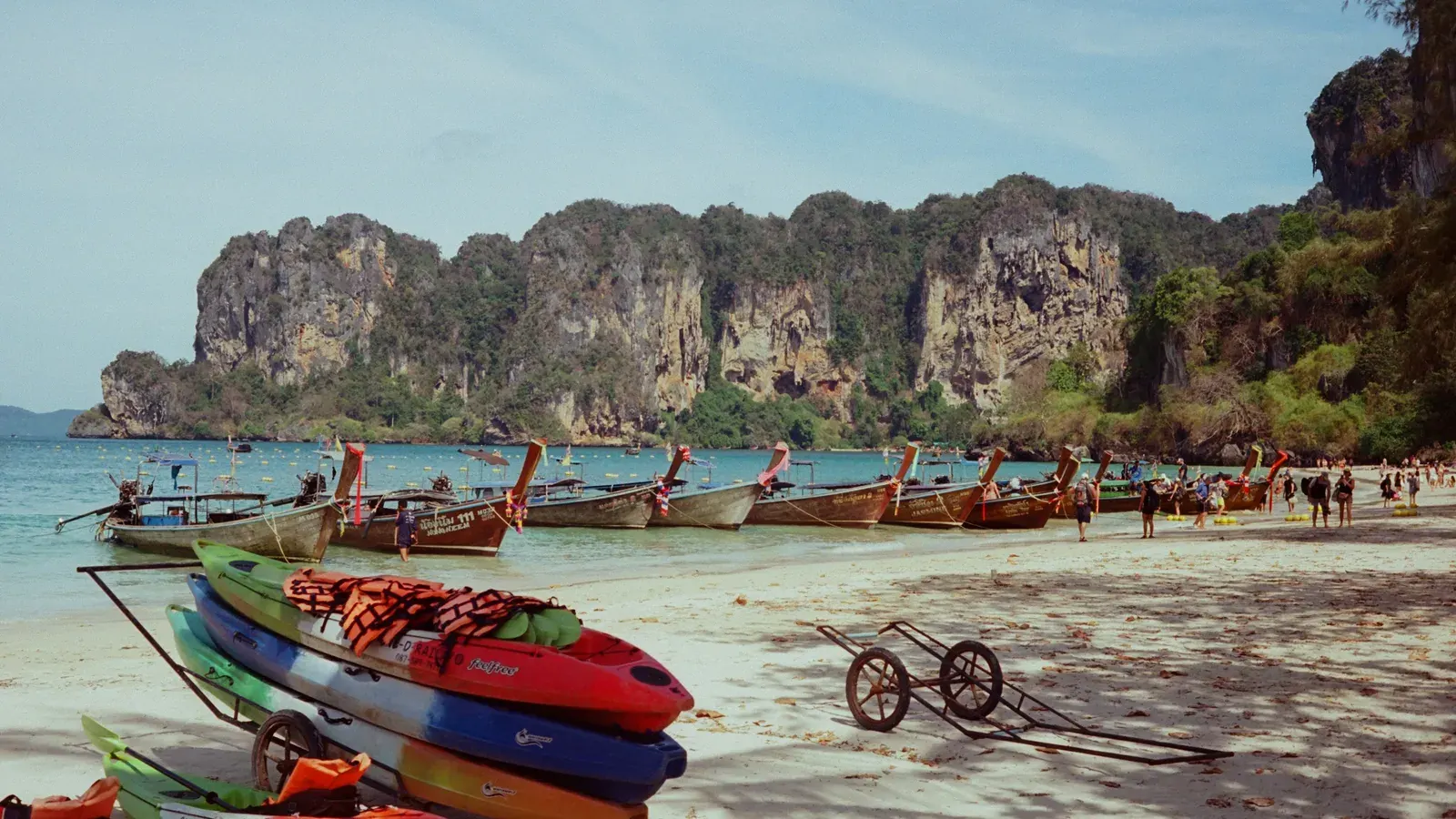
Best Travel Buddy Apps in Southeast Asia
Which travel buddy apps actually work in Southeast Asia, compared by city and by route, from Bangkok hostels and the Vietnam corridor to Philippine island hopping and Bali's split scene.
Read article → Your First Month in Southeast Asia
Plan your first 30 days in Southeast Asia with a tested itinerary covering Thailand, Cambodia, and Vietnam without rushing or overspending.
Read article →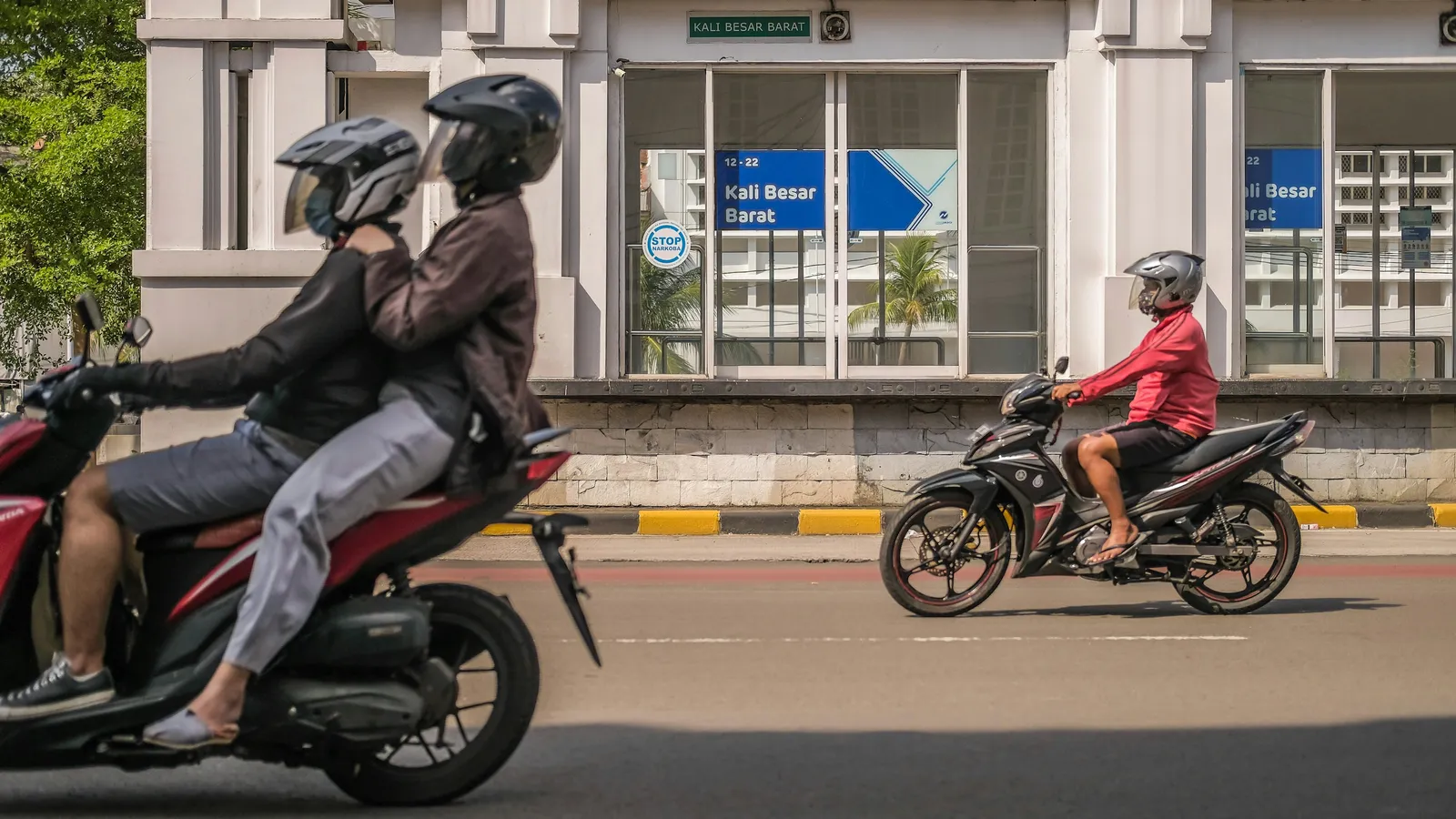
Motorcycle and Scooter Rental Abroad
Navigate motorcycle and scooter rentals in Bali, Vietnam, and Thailand with insurance advice, license requirements, scam avoidance, and safety essentials.
Read article →Heading to Sapa?
Find trekking companions, share homestay experiences, and connect with fellow mountain explorers in northern Vietnam on roammate.


To customise this itinerary to your travel style, pace, and budget, download the roammate app to tailor it to your preferences.
Find travel companions in Sapa →