Kratie
Slow down beside the Mekong: island lanes, market breakfasts and a thoughtful approach to watching Cambodia's river dolphins.
3 days in Kratie
A carefully curated route mixing iconic landmarks, hidden gems, street food, culture, and adventure.
Get to know the Mekong town
Breakfast and the central market
Begin with a short walk around Kratie's central market and surrounding streets rather than heading straight out on a tour. Find breakfast being cooked to order, ask before photographing stallholders and notice how everyday trading connects the town to the river. Keep purchases small enough to carry comfortably. This is a useful morning for finding drinking water, checking transport offices and getting a feel for your accommodation's neighbourhood without committing to a long outing in the heat.
Plan the river days properly
Use a shaded lunch break to arrange the next two days. For Koh Trong, ask where the passenger boat is boarding now, what the return arrangements are and whether bicycles are available on the island. For Kampi, compare a road transfer plus locally arranged viewing boat with a guided kayaking option appropriate to your experience. Ask about river conditions and cancellation procedures before paying. Keep the two excursions on separate days so you can move one if weather changes.
Riverfront light and a local dinner
Head to the Mekong-facing riverfront as the day cools. Sit somewhere that leaves the walking route clear and enjoy the changing light; a colourful sunset is a possibility, not an appointment. For dinner, ask about Khmer dishes available that evening. Kratie's regional food includes bamboo-cooked sticky rice and pomelos from Koh Trong, worth looking for during your stay when available. Finish early enough to prepare water, sun protection and a small day bag for the island.
Koh Trong at island pace
Cross to Koh Trong
Take the confirmed passenger crossing to Koh Trong, the Mekong island opposite town, when the operator considers conditions suitable. Wear a correctly fitting lifejacket and keep valuables dry. On arrival, choose a bicycle or a modest walk according to the heat and the route surface. Ask about the public route rather than cutting through orchards or household yards. Keep the morning focused on the island itself: the pleasure is in travelling slowly, not in collecting stops before another excursion.
A hosted lunch and a shorter loop
Arrange lunch with a willing local business or host, confirming the meal and price in advance. Ask about pomelo growing or daily island life without treating someone's work as a free demonstration. Continue only as far as feels comfortable, taking shade breaks and turning back if the route is muddy or waterlogged. If you want to stay overnight, book a host and meals first; otherwise return to the landing with ample time before your agreed crossing back to Kratie.
Back in town, with tomorrow flexible
After the island, return to your accommodation for a shower and an unhurried dinner. Reconfirm the Kampi outing, especially after heavy rain or a change in river conditions. If water activities have been cancelled, choose a town-based day rather than searching for someone willing to ignore the same conditions. An extra café stop, market visit or riverside walk is a reasonable part of a small-town stay, not a failure to complete the itinerary.
Kampi dolphins without the chase
Choose a careful wildlife outing
Travel to the Kampi dolphin-viewing area north of Kratie with a prearranged return. Listen to the boat crew's briefing and ask them to follow the current local viewing rules. Stay seated, keep noise low and accept distant or brief views. Do not encourage a chase, a closer approach for a photograph or extra time around animals that are moving away. A guided kayak trip can be an alternative, not an automatic guarantee of lower impact or suitability for beginners.
Return slowly, or add one land stop
Leave the rest of the day open after the water outing. If you chose a longer guided paddle, lunch and the return journey may be enough. With a shorter boat trip and a willing driver, ask whether Sambok Hill is an appropriate extra stop on the way back, checking access and your energy for steps before agreeing. Do not add a distant temple circuit simply because it appears on the same provincial map. Head back to Kratie before you are exhausted.
One final Mekong evening
Spend your final evening in town, settle outstanding transport arrangements and enjoy dinner without a long drive afterwards. If you did not see dolphins, resist turning the next morning into a rushed repeat before a bus connection. Kratie also offers the island, food and river landscape you have already experienced. Keep onward travel separate from this full-day plan, particularly if you are continuing towards Stung Treng or crossing into another country.
Budget tips
Price the Kampi day as a whole
Ask for road transfer, boat arrangements, guide, waiting time and return travel in one breakdown. Clarify whether each charge is per person or per vehicle before comparing options.
Stay in town for simpler logistics
A central room can reduce transport to dinner and departure offices. An island stay is a different experience, but add crossings, luggage handling and meal arrangements before comparing the room price.
Share transparently, not at the wildlife's expense
Sharing a suitable vehicle with other travellers can lower the cost. Do not overload a boat or choose an operator promising close encounters simply because the fare is lower.
Keep a low-cost day in the plan
The town and island days provide a counterweight to a paid guided excursion. Leave space for walking and rest rather than booking three consecutive tours.
Budget breakdown
Editorial planning estimates in US dollars, prepared September 2026, not live prices or quoted tariffs. Amounts are per person per day; midrange accommodation assumes two sharing. Transport and activity rows are averages across three days, not a dolphin-tour price list. Excludes travel to/from Kratie, visas, insurance, alcohol and premium private excursions. Solo transport or a guided kayaking day can exceed the daily average.
| 🎒 Budget | ✨ Mid-Range | 💎 Splurge | |
|---|---|---|---|
| Accommodation Basic bed/room; shared comfortable room; higher-end room allowance | $8–13 | $18–30 | $45–80 |
| Food and drinking water Daily food allowance, not restaurant menu quotes | $8–12 | $14–22 | $25–40 |
| Local transport Three-day average; agree ferry and road costs separately | $5–9 | $10–18 | $25–45 |
| Activities Average activity allowance; private guiding adds cost | $7–13 | $13–25 | $25–50 |
| Daily Total Editorial estimates; recalculate using your actual bookings | $28–47 | $55–95 | $120–215 |
Practical info
Getting to Kratie and continuing onward
- Plan a road journey rather than assuming Kratie has a scheduled passenger-air or rail connection. Check dated bus or minivan departures from Phnom Penh with the operator. Vireak Buntham is one booking reference; confirm Kratie as the actual destination, not an intermediate roadside drop.
- From Siem Reap or towards Stung Treng, ask whether the service is direct, where any vehicle change occurs and which luggage is included. No fixed frequency, journey duration or through-ticket connection is promised here. Use the operator's current booking page and a separate transfer buffer.
- For onward Laos travel, verify the exact border crossing, nationality-specific visa rules and current operating status independently. A ticket seller's offer does not establish immigration eligibility. Do not assume an e-Visa works at every land crossing.
Dolphin watching and river safety
- Kampi is a recognised dolphin-viewing destination. WWF describes the wider Kratie–Stung Treng river area as important dolphin habitat. Population estimates change and are not a probability of seeing animals on a particular trip; this guide does not promise sightings or publish a stale dolphin count.
- Ask about current local approach rules and how the crew avoids disturbing animals. Prefer patient observation, no chasing and space for animals to move away. Do not feed, touch or swim with dolphins. These are editorial wildlife-welfare recommendations informed by the IWC handbook, not a claim that every operator is certified or that one international distance rule applies locally.
- Check correctly fitting lifejackets, boat condition, guide communication and cancellation procedures. Wear the lifejacket rather than leaving it on the floor. Kayaking requires a briefing appropriate to the route, current and your ability; do not assume calm-looking water is safe for unsupervised swimming or paddling.
Koh Trong practicalities
- Confirm the passenger landing and return arrangements locally on the day. Water level can affect the approach to the boat. Carry only what you can manage on uneven ground and ask for details if you have limited mobility.
- Arrange bicycle rental, a meal or an overnight stay with a willing provider instead of assuming every household takes visitors. Inspect brakes and tyres, carry water and use public routes. Ask before entering orchards, homes or religious spaces.
- CRDT documents waste-management work on Koh Trong. Help by reducing disposable packaging and asking where sorted rubbish belongs; do not leave litter on the riverbank or assume an island business can process everything brought over by visitors.
When to go
- Cambodia's national climate report describes a generally dry November–April and wet May–October, with hotter weather towards April and early May. November–January is a sensible starting point for travellers seeking less heat. These are broad seasonal patterns, not a forecast for your dates.
- Schedule exposed walking and cycling earlier, leave a shaded midday break and carry drinking water. In wetter months, ask about river conditions and flood-affected roads before confirming island or boat excursions. Keep the order of days flexible and postpone water activities during unsafe weather.
Travel advice, health and entry
- Checked 12 September 2026: UK FCDO advice warns against all but essential travel within 20km of Cambodia's land border with Thailand and says Cambodia–Thailand land crossings remain suspended. This is a geographically specific warning, not a blanket restriction on Kratie. Check the full current advice for every part of your route and your insurer's conditions.
- Use established roads and paths, secure belongings and arrange reliable evening transport. Check FCDO safety and health guidance before travel; seek personalised travel-health advice and insurance covering your chosen activities. This itinerary is not a safety guarantee.
- Consult the official Cambodia e-Visa portal and current entry guidance for the passport, visa and arrival requirements relevant to your nationality and entry point. Keep a copy of your documents separately, and do not hand over your passport as casual rental security.
Accommodation, cash and connectivity
- For easy first-visit logistics, search around the central market and Mekong riverfront, then read recent reviews for noise, air-conditioning and access. A Koh Trong overnight needs more advance coordination and does not suit every early departure.
- Carry small cash for boats, markets and short rides. Confirm whether a bill is in riel or US dollars and agree the conversion before paying. Foreign cards and local QR systems should not be your only payment options.
- Save offline maps, your accommodation address in Khmer and driver/operator contacts. Carry a charged phone and dry protection for electronics. Tell your host where you are going when heading out on the river.
Image credit and editorial scope
- Hero: Sunset over Mekong River in Kratié, Cambodia, by Jakub Hałun, photographed 23 November 2017, via Wikimedia Commons, CC BY-SA 4.0. Resized and converted to WebP, displayed with a responsive crop and dark overlay. The adapted image remains under the same licence; source and licence links appear below.
- Researched September 2026. This is an editorial three-day plan, not a firsthand trip report, live availability feed or claim of local roammate membership. Confirm operational details directly before travelling.
Cultural tips
A river village, an island household and a dolphin habitat are not interchangeable tourist stops. Let residents and wildlife determine the boundaries of your visit.
Make island visits an invitation
Public lanes are not permission to enter yards or photograph family life. Ask before taking portraits, accept a refusal and agree payment for a hosted meal or activity in advance.
Treat temples as active religious places
Cover shoulders and knees, follow instructions about shoes and photography, and keep clear of worshippers. Skip steps that exceed your ability instead of taking a shortcut through restricted ground.
Do not reward a closer chase
If an animal moves away, let the encounter end. Ask your guide about conservation rather than asking for a better selfie. A patient outing with distant views is preferable to pressuring wildlife.
Pay for produce and time
Ask growers or sellers which fruit is available and what it costs. Do not pick pomelos or enter orchards without permission, even if a path runs beside them.
Reduce what you bring onto the island
Take a reusable bottle and bag, ask about safe refill water and keep wrappers out of the Mekong. Respect local waste-separation arrangements rather than leaving everything in the first bin.
Support work, not staged access
Choose clearly explained services and businesses that welcome visitors. Do not distribute gifts to children or treat schools and homes as attractions without an appropriate invitation.
Reading for Kratie
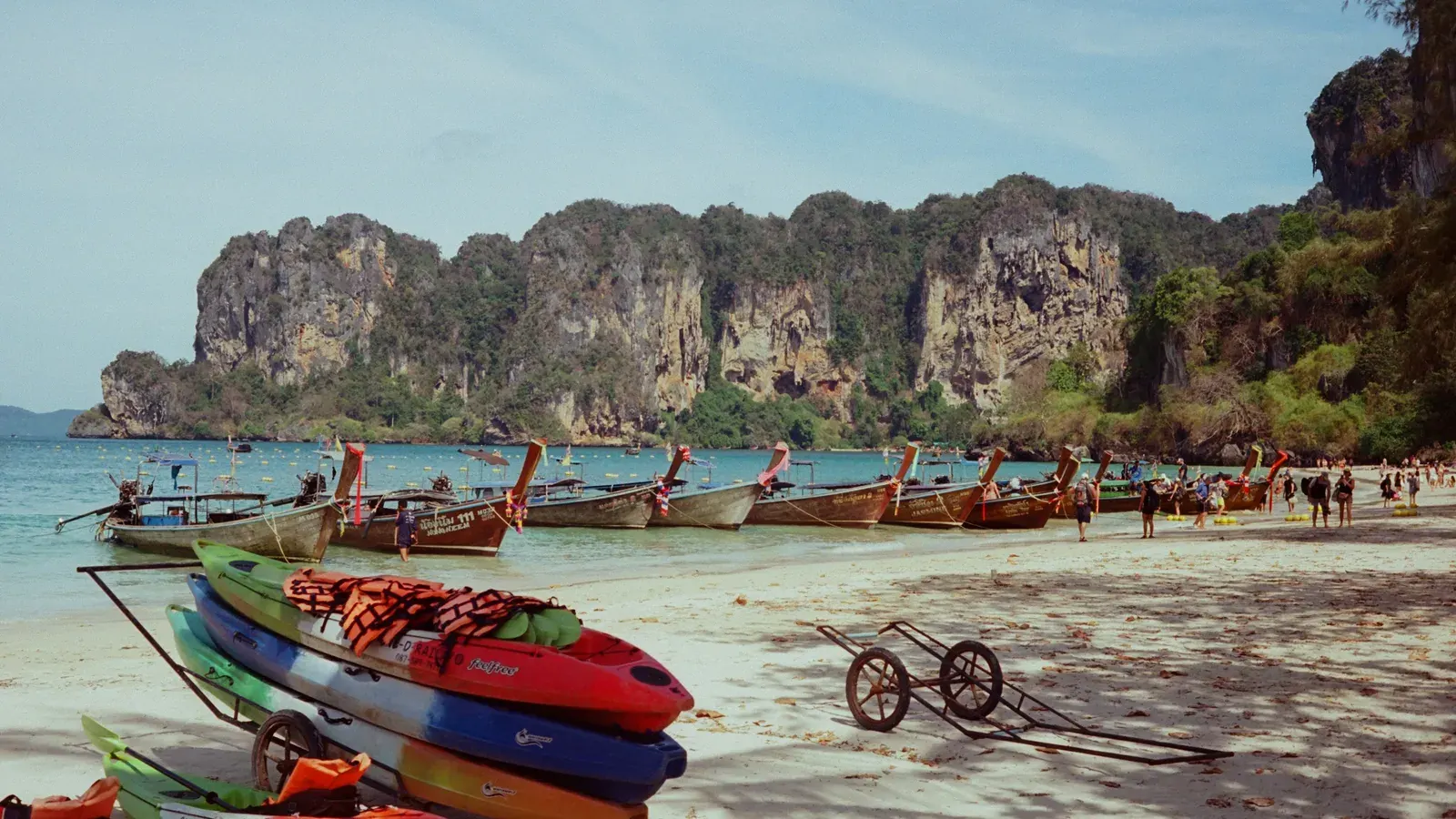
Your First Month in Southeast Asia
Plan your first 30 days in Southeast Asia with a tested itinerary covering Thailand, Cambodia, and Vietnam without rushing or overspending.
Read article → Best Travel Buddy Apps in Southeast Asia
Which travel buddy apps actually work in Southeast Asia, compared by city and by route, from Bangkok hostels and the Vietnam corridor to Philippine island hopping and Bali's split scene.
Read article →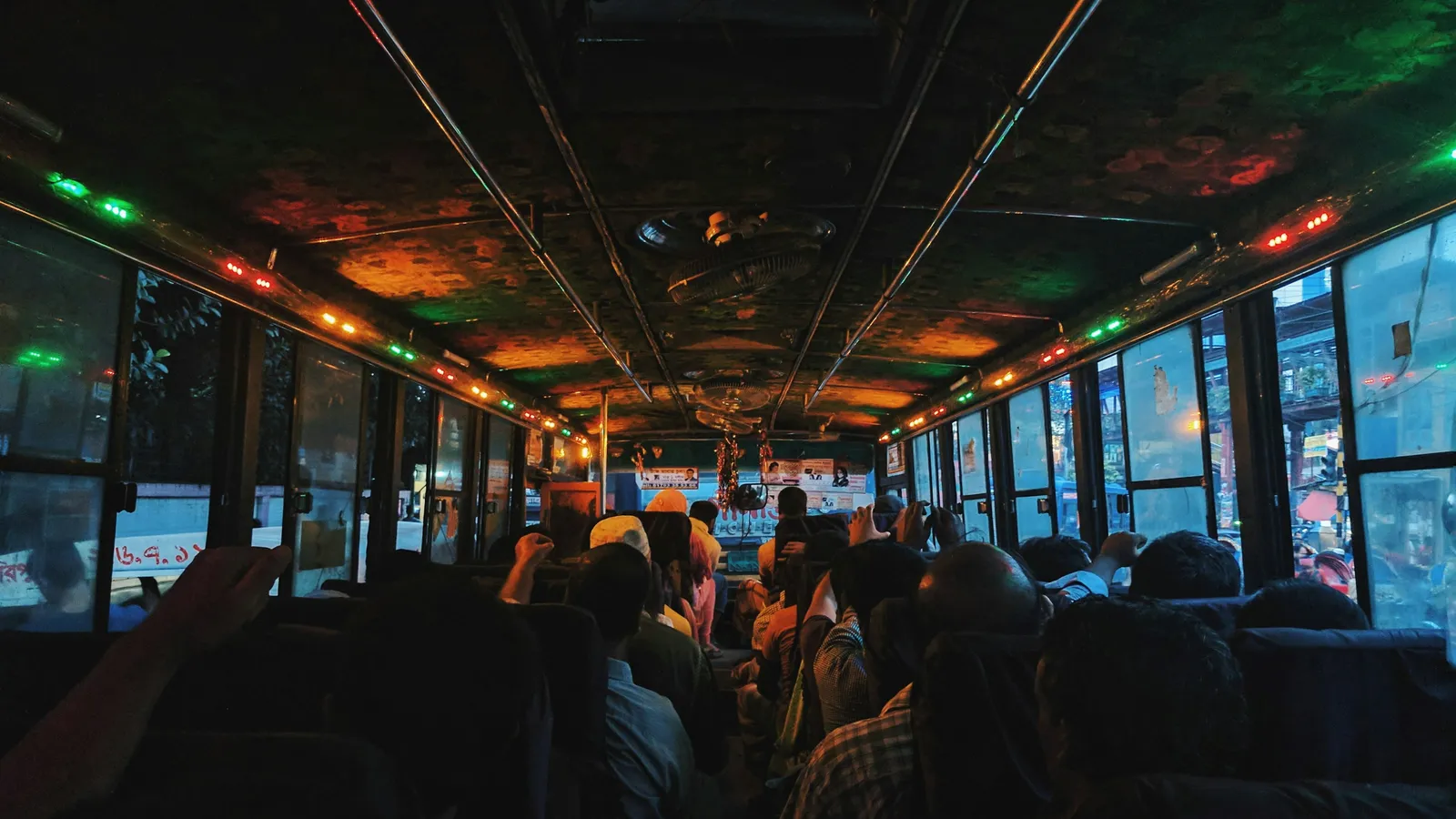
Night Bus Survival Guide
Survive overnight buses across Southeast Asia and South America with tested strategies for sleep, security, and arriving functional.
Read article →Sources and photo credits
- Cambodian government news agency: Kratie destinations and conservation
- WWF Cambodia: Mekong Flooded Forest conservation context
- IWC: responsible whale and dolphin watching
- IWC: questions to ask when booking a wildlife tour
- CRDT: Koh Trong waste-management project
- Kratie tourism map: Cambodian government library
- Vireak Buntham: current transport booking reference
- Local hotel directions: Phnom Penh–Kratie road service context
- UK FCDO: Cambodia travel advice
- UK FCDO: Cambodia safety guidance
- UK FCDO: Cambodia health guidance
- UK FCDO: Cambodia entry requirements
- Official Cambodia e-Visa portal
- Cambodia national climate report: seasonal background, PDF
- Hero photograph: Mekong sunset at Kratie, Jakub Hałun, CC BY-SA 4.0
- Hero photograph licence: CC BY-SA 4.0

Heading to Kratie?
Planning a slower Mekong stop? Use roammate to look for travel companions interested in island cycling, local food and a carefully arranged shared excursion.


Adapt this plan to your dates, river conditions and confirmed transport, leaving enough time to enjoy Kratie without rushing the wildlife.